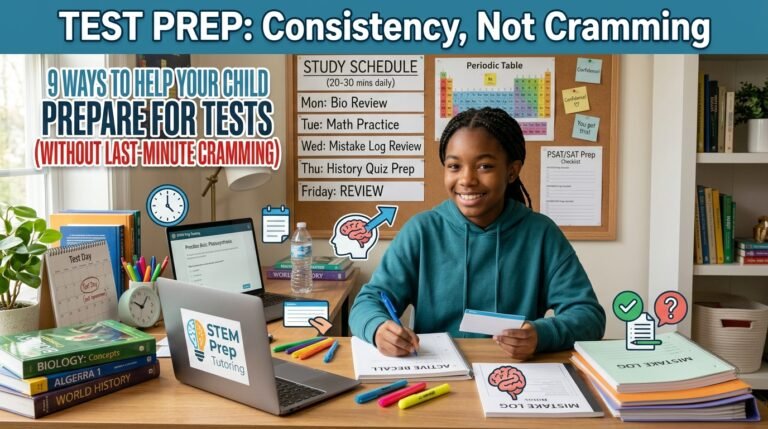
Meet Priya from Austin. She opened her daughter Anya’s SAT practice test results with trembling hands. Anya had spent six months drilling vocabulary flashcards. Additionally, she had completed every practice test in the official guide twice. On top of that, she had given up weekends with friends to study. Yet her SAT Reading score had barely budged. Priya felt confused, frustrated, and quietly desperate. What were they missing?
The truth is, Anya is not alone. Thousands of students pour hours into SAT Reading preparation only to see minimal improvement. The problem is not a lack of effort. Instead, the problem is hidden flaws in their approach that actually reinforce bad habits. According to research from the National Centre for Education Statistics, reading comprehension scores among high school students have remained stagnant for over a decade, despite increased test preparation spending. This suggests that traditional study methods are failing to address the real barriers to success.

Why Most SAT Reading Advice Is Actually Hurting Your Child
What the Test Really Measures
Here is what most families do not realise. SAT Reading is not a test of intelligence. Furthermore, it is not even primarily a test of vocabulary breadth. Instead, it is a test of specific, trainable skills wrapped in deceptively familiar packaging. Students approach it like school reading assignments. Typically, they read carefully from beginning to end. Additionally, they try to understand every detail. Consequently, they answer questions based on memory and general impression. These instincts, honed through years of academic success, become fatal flaws on the SAT Reading section.
Consider Marcus, a high-achieving junior from Denver with a 4.2 GPA. In English class, he excelled at analysing themes and making personal connections to texts. On SAT Reading, he consistently missed questions despite understanding passages thoroughly. His teachers were baffled. Additionally, his parents were worried. The hidden flaw? Marcus was answering questions based on his own interpretation rather than textual evidence. SAT Reading demands something different. It requires precise, literal comprehension and evidence-based reasoning that often contradicts academic reading habits.
How School Skills Backfire
The College Board designs SAT Reading questions to exploit common cognitive biases. Research published in the Journal of Educational Psychology demonstrates that students who rely on prior knowledge and inference perform significantly worse on standardised reading tests than those who stick strictly to passage evidence. The very skills that earn top marks in literature classes can sabotage SAT Reading performance.
Furthermore, timing pressure creates invisible damage. Students who read slowly and carefully in school panic when faced with thirteen minutes per passage on the SAT Reading section. They rush. They skip steps. As a result, they fall into trap answers specifically designed to catch hurried test-takers. Without realising it, they reinforce anxiety patterns that worsen with each practice test.
This is where the distinction between generic academic support and specialised SAT Reading instruction becomes critical. A reading comprehension tutor who understands the test’s unique architecture can spot these hidden flaws immediately. The right reading tutoring relationship diagnoses problems that parents and students cannot see in themselves.
“The highest SAT Reading scores come from students who read differently on test day than they do in school.”
Ready to uncover what is really holding your child back? Contact STEM Prep Tutoring for a free SAT Reading diagnostic assessment.
Fix Hidden Flaws in Your Child’s SAT Reading Strategy
The Five Critical Mistakes
Before diving into specific solutions, parents must understand the five most common hidden flaws. Each one mimics good academic habits while destroying test performance. First, the evidence blind spot causes students to answer from memory. Second, the vocabulary trap makes them memorise isolated words. Third, the timing death spiral creates panic and rushed decisions. Fourth, passage panic leads to passive, unfocused reading. Finally, the calculator mentality causes inconsistent methodology between the math and reading sections. Recognising these patterns is the first step toward correction.
The Evidence Blind Spot
The first hidden flaw is treating SAT Reading like an open-ended discussion. School English classes reward original interpretation and personal response. Conversely, SAT Reading punishes these instincts. Every correct answer must be directly supported by specific words in the passage. Students who select answers that feel right or seem logical often choose tempting distractors.
To fix this, students must retrain their reading process. First, they should identify the main idea of each paragraph in their own words before touching on the questions. Next, they must locate explicit textual support for every answer choice they select. A reading and writing tutor can drill this evidence-hunting skill until it becomes automatic, transforming guesswork into certainty.
The Vocabulary Trap
Anya from Austin memorised five hundred SAT vocabulary words. She still missed sentence completion questions. Why? Because SAT Reading tests words in context, not in isolation. Knowing that “gregarious” means sociable helps little if a student cannot recognise how tone and connotation shift meaning in a complex passage.
Effective SAT Reading preparation focuses on structural analysis rather than word lists. Students learn to use surrounding sentences as clues. Additionally, they recognise that difficult vocabulary often appears in predictable syntactic patterns. A comprehension tutor teaches students to decode meaning from context, a transferable skill that outlasts any single test.
The Timing Death Spiral
Marcus from Denver started his first SAT Reading passage strongly. By the fourth passage, he was guessing randomly. His careful reading style consumed too much time early, creating panic later. This pattern is devastating because SAT Reading questions generally increase in difficulty within each passage. Students who rush through final questions miss easier points at the end.
The solution is strategic time allocation. Students should spend slightly more time on early questions where they are likely correct. Then, they should move faster through harder questions. They must practise with strict timing until internal clocks develop. An online math tutor often helps here surprisingly, because mathematical reasoning about pacing and probability improves test-taking strategy across sections.

The Passage Panic
Dense historical documents. Abstract science passages. Archaic literature excerpts. SAT Reading deliberately throws intimidating material at students. Many react by reading passively, hoping meaning will emerge. It rarely does. Passive reading creates vague comprehension that crumbles under specific questions.
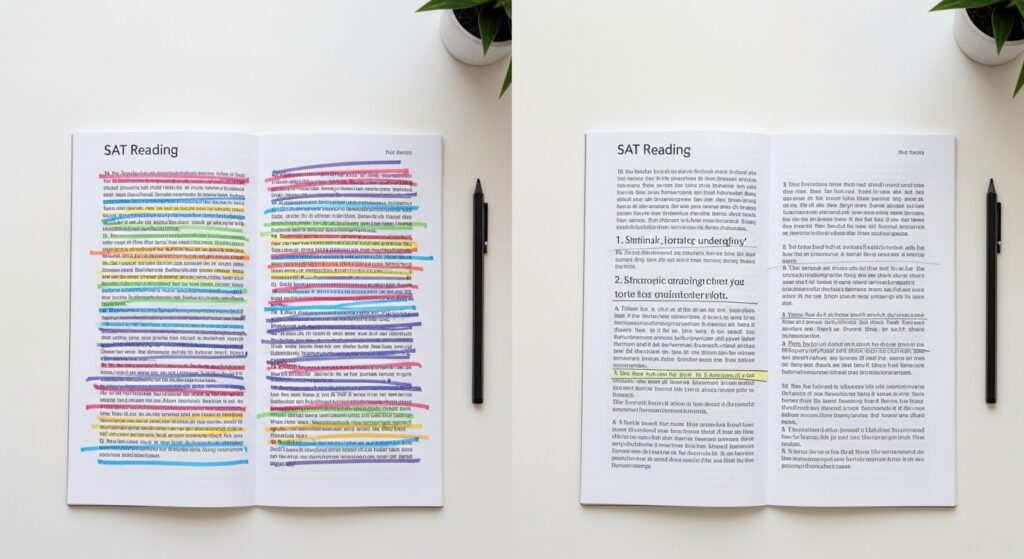
Active reading strategies change everything. First, students should preview questions to know what to seek. Next, they should annotate main ideas and tone shifts in margins. Finally, they must read with purpose rather than hope. Tutoring for dyslexia specialists often excel at teaching these structural reading techniques, as they break text into manageable cognitive chunks beneficial for all learners.
The Calculator Mentality
Strangely, students who excel in SAT Math sometimes struggle most with SAT Reading. They approach math problems methodically, checking work and verifying steps. However, they abandon this discipline for reading, relying on gut feelings instead. This hidden flaw costs points consistently.
SAT Reading responds to systematic approaches. First, students should predict answers before looking at choices. Next, they should eliminate wrong options aggressively rather than seeking the right one. Finally, they must verify every selection against the passage text. A physics tutor might seem irrelevant, yet the logical reasoning skills taught in science tutoring transfer directly to evidence-based reading questions.
Subject-Specific Support for SAT Reading Success
While SAT Reading dominates this discussion, comprehensive preparation requires balance. Students weak in mathematical reasoning often carry anxiety into reading sections. Working with a math tutor or engaging in math tutoring builds overall test confidence. Tutoring in mathematics strengthens logical thinking that improves performance across all sections.
Similarly, science literacy affects SAT Reading success. Passages drawn from earth science, biology, chemistry, and physics appear regularly. A tutoring chemistry session or physics tutor consultation familiarises students with technical writing conventions, making science passages less intimidating.
For students with diagnosed reading difficulties, specialised support is essential. Tutoring for dyslexia from experienced professionals adapts SAT Reading strategies to individual learning profiles. These students often possess strong compensatory skills that, properly directed, become test-taking advantages.
The Diagnostic Difference
Most families cannot identify these hidden flaws themselves. They see symptoms, low scores and frustrated children, without understanding the causes. Professional assessment makes the invisible visible. A reading tutor trained in SAT methodology pinpoints exactly where processes break down.
Is your child missing the main ideas? Alternatively, are they misinterpreting questions? Perhaps they are mismanaging time? Or falling for trap answers? Each flaw requires a different intervention. Generic practice reinforces existing problems. Targeted instruction transforms performance.
Jemima from Bristol illustrates this perfectly. Her SAT Reading score stalled at 580 despite months of self-study. A diagnostic session revealed she was reading every word aloud in her head, limiting speed catastrophically. Six weeks of specific technique training with a reading comprehension tutor raised her score to 710. The hidden flaw was invisible to her family but obvious to an expert.

Building Sustainable SAT Reading Skills
Quick fixes do not exist. Last-minute cramming cannot rebuild reading habits developed over the years. However, focused eight to twelve-week programmes create lasting improvement. The key is correct practice, not mere repetition.
Students should analyse every missed question thoroughly. First, ask why the wrong answer was tempting. Next, what specific words in the passage support the correct choice? Finally, how could the question have been approached differently? This metacognitive work, guided by reading tutors, accelerates progress dramatically.
Additionally, parallel reading builds stamina and familiarity. Students should read challenging non-fiction regularly, such as The Economist, Scientific American, and historical speeches. This develops comfort with SAT Reading passage styles without artificial test prep fatigue.
The Parent Role
Parents often unintentionally reinforce hidden flaws. They praise effort without examining method. Additionally, they encourage more practice without diagnosing problems. Consequently, they express anxiety that transfers to their children.
Instead, parents should focus on process over outcomes. Ask how your child approached a difficult passage, not just how many questions they missed. Encourage specific strategy discussions with tutors. Maintain perspective about single test scores versus long-term academic growth.
When to Seek Professional Help
Certain signs indicate that hidden flaws require professional intervention. Has your child completed three or more full practice tests without improvement? This suggests something is wrong with their approach. Do they consistently run out of time despite practising pacing? Technique issues likely exist. Furthermore, do they understand passages yet miss questions regularly? Evidence-based reasoning probably needs rebuilding.
STEM Prep Tutoring specialises in identifying and correcting these exact problems. Their reading tutoring programmes diagnose hidden flaws through comprehensive assessment. They match students with specialists who understand individual learning patterns. Furthermore, they track progress meticulously, adjusting instruction as scores improve.
Anya from Austin eventually found this support. Her reading comprehension tutor identified within one session that she was answering questions from memory rather than returning to text. Eight weeks of targeted practice raised her SAT Reading score 130 points. More importantly, she approached reading with new confidence that carried into her AP Literature course.
Your child deserves the same transformation.
What hidden flaw do you suspect is affecting your child’s SAT Reading performance? Share your observations in the comments below. Our team monitors responses and provides personalised guidance.
Ready to stop guessing and start improving? Schedule your free SAT Reading diagnostic with STEM Prep Tutoring today. Discover exactly what is holding your child back and create a targeted plan for success. Explore more test preparation insights on our blog.
About STEM Prep Tutoring
STEM Prep Tutoring delivers personalised, one-to-one instruction in Mathematics, English Language Arts, and Science for students across the United States. From reading and writing tutor support to advanced tutoring in mathematics, from tutoring for dyslexia to intensive SAT preparation, their mission remains unwavering. Unleashing every child’s academic potential through expert, individualised guidance.