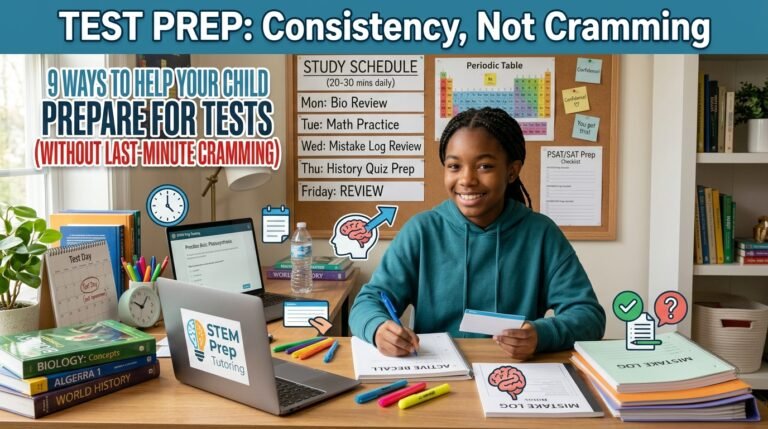
Preparing for the SAT: Self‑Study or Guided Support
Parents often ask whether self‑study or SAT tutoring is the better choice. Both paths have strengths, yet the outcomes can be very different.
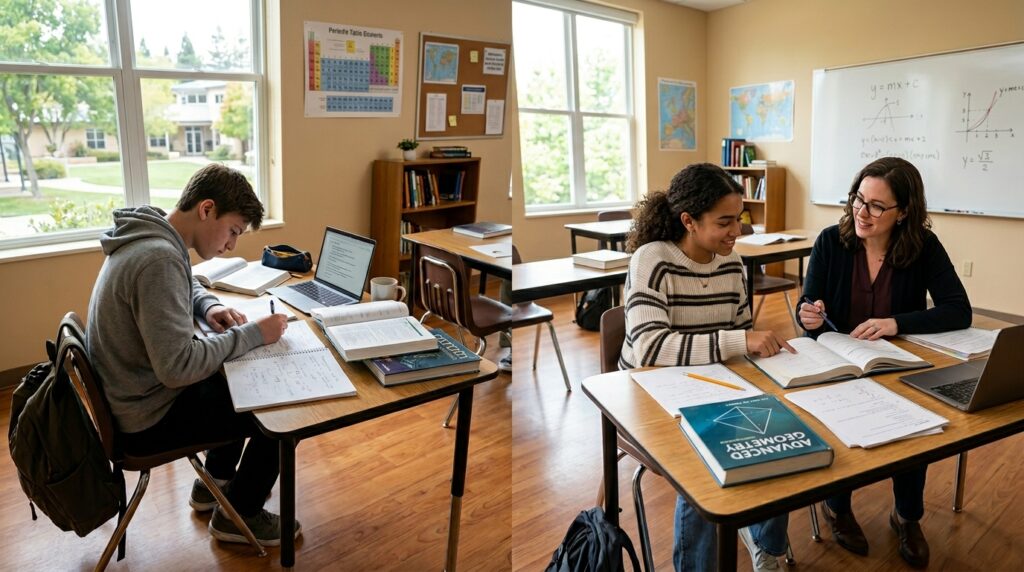
Daniel chose self‑study with prep books and online resources. His friend Aisha decided to work with tutors. Their stories show the contrast between independence and guided support.
The Challenges of Independent SAT Preparation
Self‑study feels flexible and affordable. Students can set their own pace and revisit topics. However, motivation often fades without accountability. Daniel struggled with reading comprehension passages and complex maths problems. Without a reading comprehension tutor or a maths tutor, his progress slowed.
Mistakes went unnoticed. Confidence dipped as practice tests revealed gaps. In addition, students with learning differences, such as dyslexia, often find preparation more challenging without dyslexia tutoring.
The Benefits of SAT Tutoring and Expert Guidance
Aisha’s choice to work with tutors brought structure and reassurance. Her reading and writing tutor helped her decode passages. Her physics tutor explained formulas clearly. Tutoring chemistry sessions gave her confidence with equations. An online maths tutor provided flexible support after school hours.
Tutoring in mathematics and reading tutoring created accountability. Each session built skills step by step. As a result, Aisha stayed on track and felt motivated. Parents noticed the difference: she was less anxious and more confident.
Comparing Outcomes: Self‑Study vs SAT Tutoring
Research shows that SAT tutoring often leads to stronger academic outcomes. According to Brookings, structured tutoring can raise achievement levels compared to independent study. Education Week reports that tutoring is especially effective in STEM subjects. The Hechinger Report highlights its role in closing learning gaps.

Families see these results firsthand. Students who work with reading tutors, comprehension tutors, or maths tutors often achieve higher scores and greater confidence than those relying only on self‑study.
Building Confidence Through SAT Tutoring
Tutoring offers more than academic instruction. It builds confidence and resilience. Here’s how:
- Assessment of strengths and weaknesses: Tutors identify areas needing improvement, whether in algebra, reading comprehension, or essay writing.
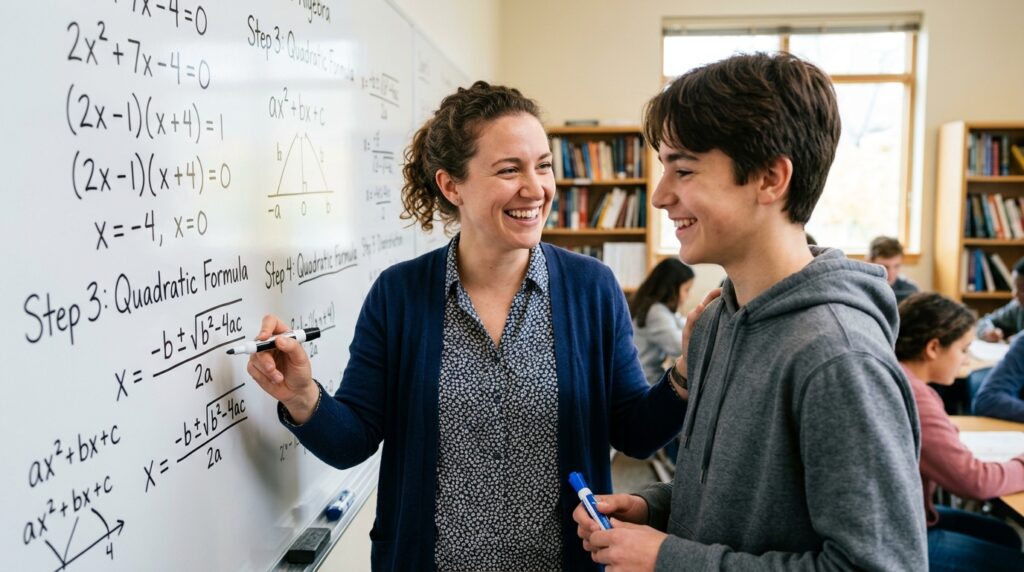
- Structured learning plans: A maths tutor may design weekly sessions focusing on geometry, algebra, and problem‑solving.
- Interactive learning: A reading tutor uses comprehension exercises to build critical thinking. A physics tutor shows how formulas apply in real life.
- Immediate feedback: Mistakes are corrected quickly, which speeds up progress.
- Motivation and encouragement: Tutors provide consistent support, helping students feel empowered.
Practical Ways Parents Can Support SAT Prep
Parents play a vital role in preparation. Here are practical steps to maximise results:
- Encourage consistent practice alongside tutoring sessions.
- Create a quiet, distraction‑free study environment.
- Use trusted resources and combine them with tutoring guidance.
- Monitor progress and celebrate small wins to keep motivation high.
- Explore additional support such as comprehension tutors or tutoring for dyslexia if needed.
What Research Says About Tutoring Effectiveness
Data shows tutoring is one of the most effective interventions in education. Structured support improves not only test scores but also long‑term confidence. Families who invest in SAT tutoring often see benefits beyond the exam, including stronger skills in reading, writing, and mathematics.

Explore More Resources for Academic Success
Parents can find more insights and actionable advice on the STEM Prep Tutoring Blog. For personalised guidance, visit the Contact Page to connect with expert tutors.
Helping Your Child Reach Their Academic Potential
Preparing for the SAT is a journey, and the right support can make all the difference. Families who choose SAT tutoring often see their child grow in confidence, skill, and resilience. Subscribe for updates, reach out for tailored advice, or share experiences in the comments. The path to unleashing academic potential begins with a single step—and that step could be guided tutoring.