Children are naturally curious. They love asking why, how, and what if. When we guide that curiosity toward science, technology, engineering, and math (STEM), we give them tools to grow. Early exposure to STEM builds problem-solving skills, confidence, and creativity.

Why Early Exposure to STEM Matters
STEM is more than a set of subjects. It is a way of thinking. Kids who explore STEM early learn to:
- Solve problems step by step
- Think creatively about challenges
- Work together with others
- Try again when something doesn’t work
Research from the Scientific Research shows that children introduced to STEM in the early grades are more likely to succeed in higher-level math and science later. They also develop stronger critical thinking skills. Students in the early grades are more likely to succeed in higher-level math and science later. They also develop stronger critical thinking skills.
The Everyday Benefits of STEM
STEM lessons don’t just prepare kids for the future. They also make a difference today.
- Confidence: Kids feel proud when they figure out a tough puzzle.
- Communication: Working in groups teaches them to share ideas.
- Resilience: Mistakes become part of the process, not the end.
- Curiosity: Simple experiments keep them asking questions.
For example, a child mixing baking soda and vinegar is not just making a fizzy mess. They are learning about reactions, measurement, and cause and effect.
How Parents Can Encourage Early Exposure to STEM
Parents don’t need to be scientists or engineers to help. Small, fun activities make a big impact.
Try these ideas at home:
- Build with blocks or LEGO to teach design and balance
- Cook together to explore measurements and fractions
- Grow a small garden and track plant growth
- Use free apps that teach coding basics
- Visit a local science museum or library
Each of these sparks curiosity. Over time, children start to connect play with real learning.
The National Science Teaching Association offers additional free resources and experiments parents can explore.
The Role of Schools and Tutors
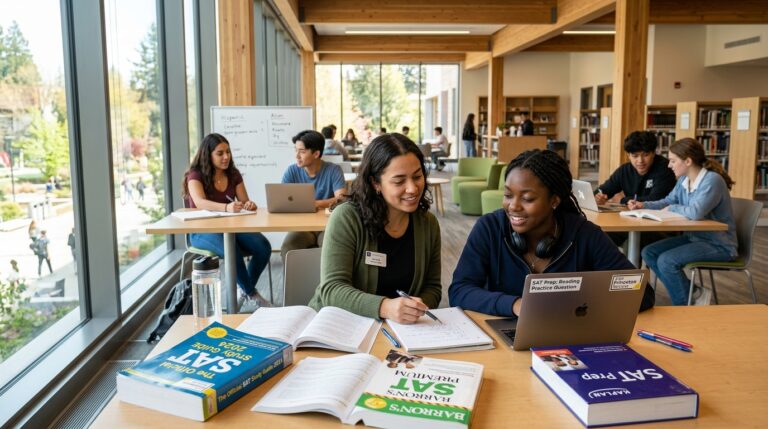
Schools play a significant role in providing children with early exposure to STEM. Many now include hands-on projects, coding clubs, and science fairs. But some students may need extra support.
This is where a math tutor, reading tutor, or even a physics tutor can help. Personalized math tutoring or reading tutoring makes STEM more approachable. For students with learning challenges, a reading comprehension tutor or tutoring for dyslexia can build a strong foundation in reading and writing skills that support all STEM subjects.
At STEM Prep Tutoring, we specialize in guiding children step by step. Our tutors in mathematics, reading, and science help students build both skills and confidence.
Why It Matters for the Future
The world is changing fast. Jobs in engineering, data, and technology are growing every year. According to Bureau of Labour Statistics data, STEM occupations are projected to grow much faster than the average for all jobs. Kids who get early exposure to STEM today will be ready for the opportunities of tomorrow.
Even if they don’t become scientists, the skills they gain—like problem-solving and creativity—are useful in any career.
Final Thoughts
Giving children early exposure to STEM is not about pushing them into one career. It is about opening doors. When kids explore, experiment, and ask questions, they grow into confident learners ready for any challenge.
Parents, teachers, and tutors all have a role to play. Start small. Keep it fun. And watch your child’s curiosity turn into a lifelong love of learning.
For more ideas and expert advice, check out STEM Prep Tutoring’s blog. To discuss personalized tutoring support for your child, contact us today.